
Renovation Projects
We often get questions from clients who are embarking on major home remodels, or new construction projects. The guide below provides a brief overview of the most common projects we encounter.
With each & every project our advice is the same – get us involved as early in the process as possible.
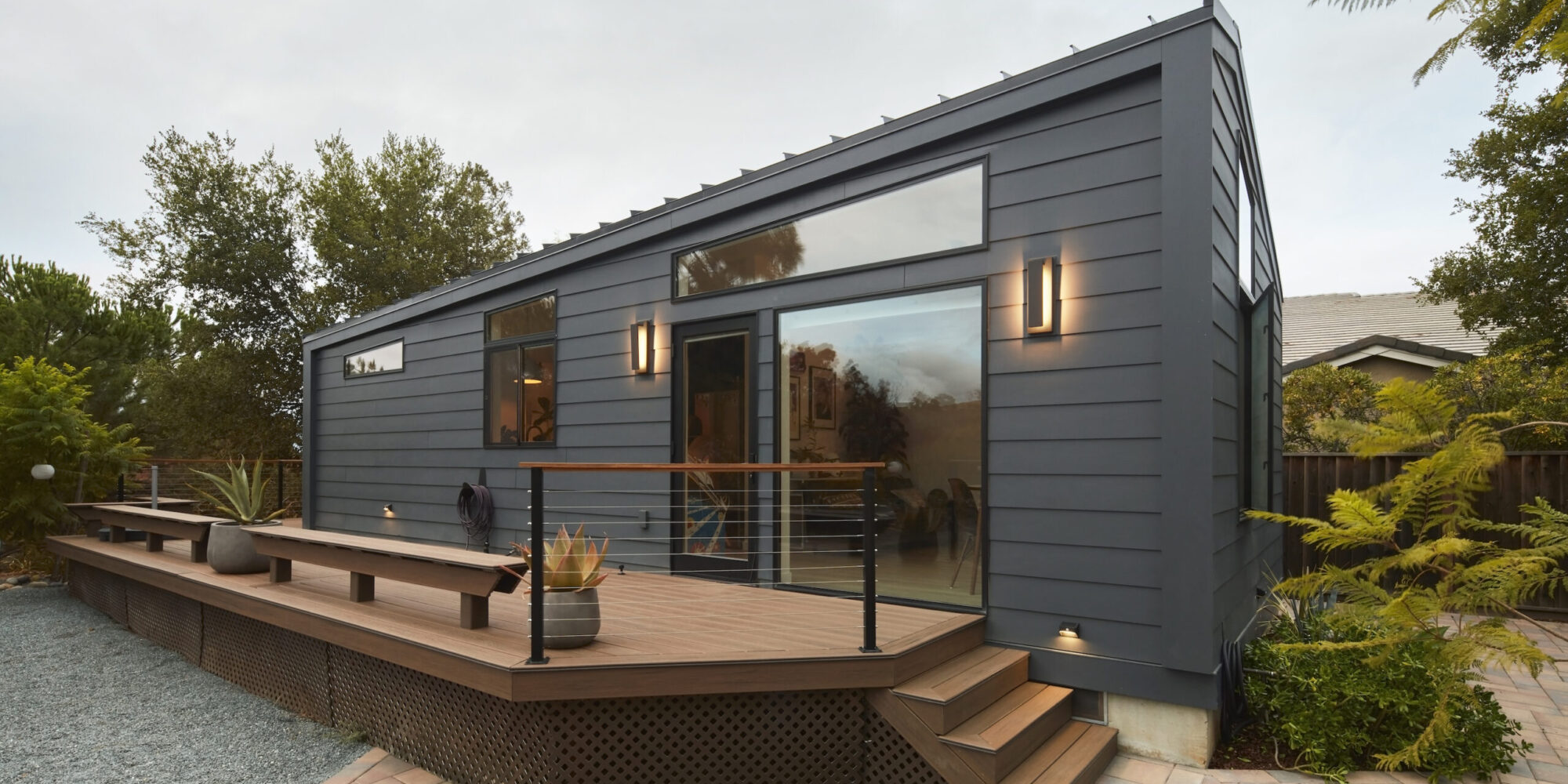
The most important thing to consider on an ADU is that you will likely be required to install a new second meter from PG&E. This is unfortunate – as there is great benefit in having your own “microgrid”. But sadly, we usually must work within the confines of that policy – one meter per street address.
Even if we cannot set up a microgrid on your property – although sometimes we can! – we still have a lot of advice regarding the design of your electrical system and integration of the renewable energy system in the building structure. Things we can discuss early in a project lifecycle include:
- Decreasing the size of grid meter main electric service, considering the contribution of renewables, can expedite your PG&E new meter application and save cost.
- Advantages of getting solar on the main house instead of ADU to satisfy the code requirement.
- Location of equipment, and schedule of install with other trades for best outcomes.
Getting us involved early will help ensure the best outcome – and avoid re-work.
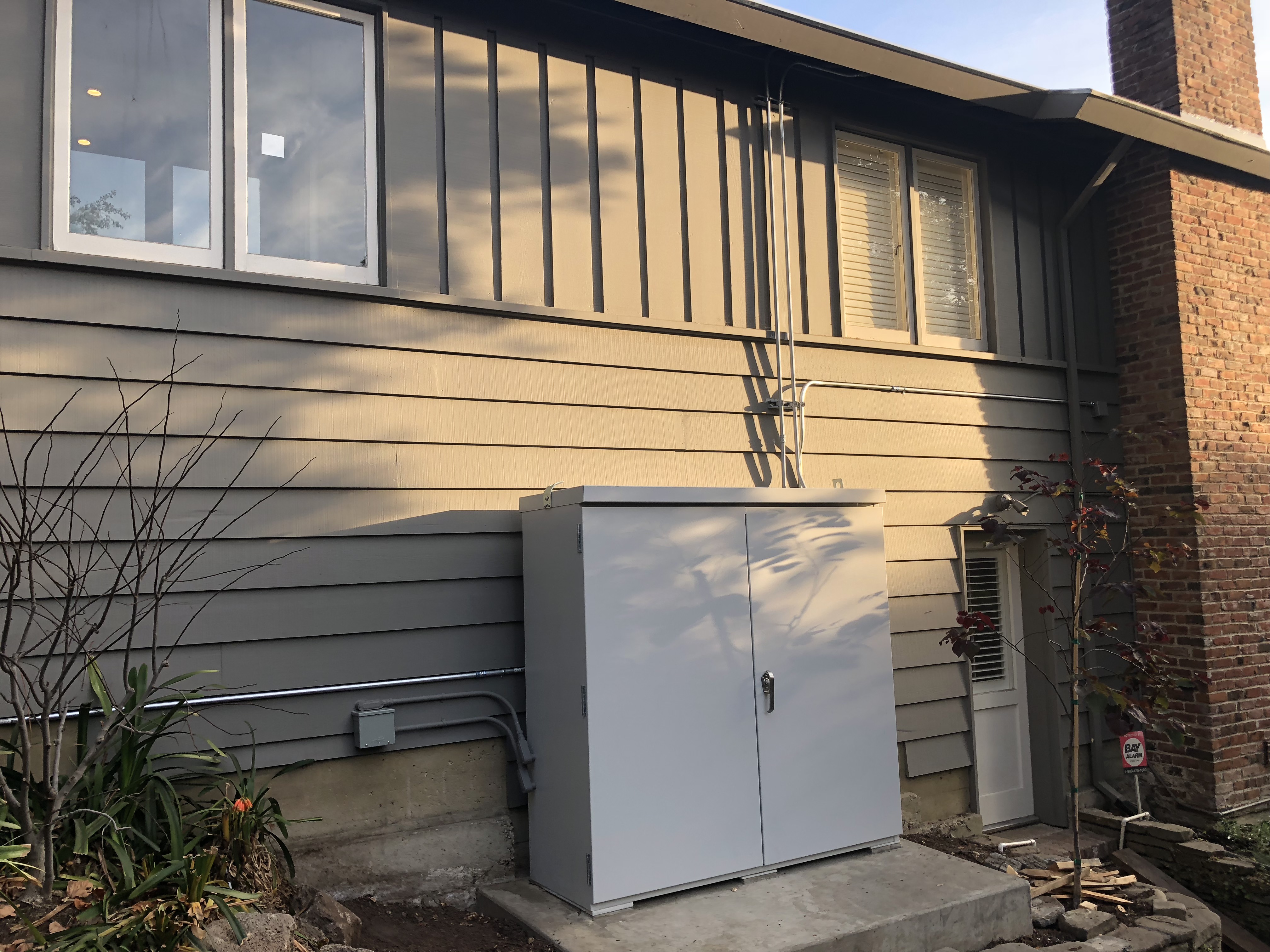
An extensive home remodel is the perfect time to consider how your home will fare in a power outage.
We can select an ideal location for your batteries, and re-wire major appliance circuits to the battery system while the walls are open. This is important so the battery system can control these loads during power outages for optimal battery life. Especially considering the needs and possibilities of Electric Vehicle two-way charging (V2H) we can make some smart decisions now, that will serve you into the future.
We are happy to work with your electrician or general contractor to discuss these changes well in advance of beginning our work – the sooner the better!
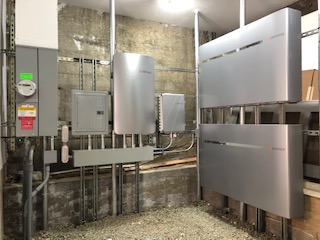
What’s funny to us is most solar companies refuse to work with roofer’s schedules. They insist that a solar retrofit after the roof work is complete is just the same as installing on the plywood when the roof is off. Of course, this claim is only meant to support their business model, which is speed and quantity over everything. And it’s simply not true.
We pride ourselves on having a great working relationship with many local roofers. Not only is it intuitively better to have solar mounts flashed and sealed into your new roof by the roofing company – it also limits the amount of time a crew of solar workers need to spend scrambling around on your brand new shingles, causing immediate wear and tear on your new roof. And possibly voiding your roof warranty!
We follow the best practice:
- Your roofer removes your old shingles.
- We come install solar mounts directly on your roof deck.
- The roofer comes back and installs your new roof, flashing around each of our penetrations just like any other vent or protrusion.
- We come back when the roof is finished to install the solar panels on top of our mounts.
- You maintain your roofing warranty.
- Your solar system (and roof) last many decades.
- Everyone is happy!
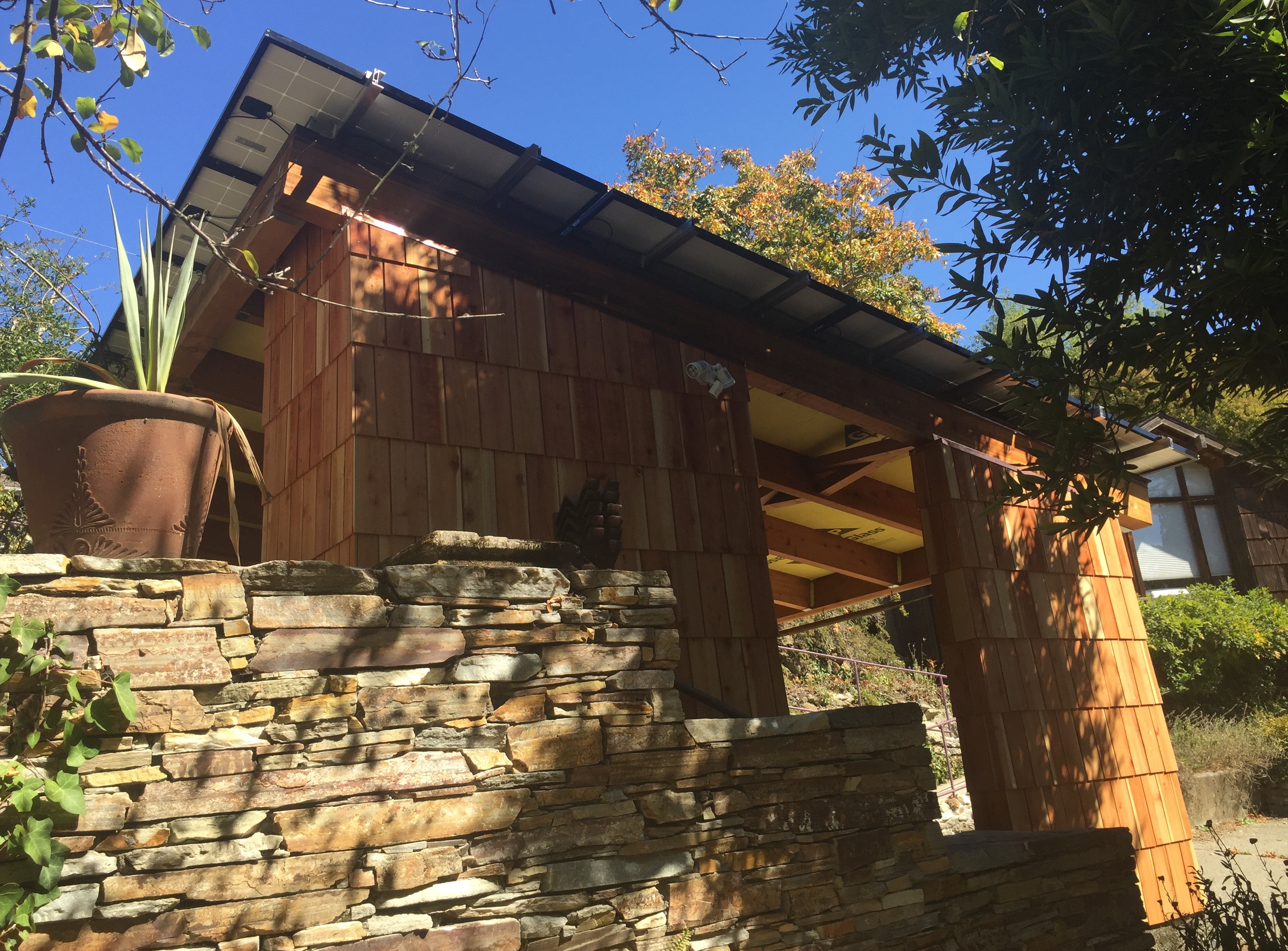
Our company offers meter main upgrades in conjunction with renewable energy projects or EV charger installation. However, if you are doing more extensive electrical work – or you just have another electrician chosen for the electrical upgrade work – that’s no problem, we are happy to work with them!
In any case, before you embark upon a costly electrical main panel upgrade please consult with us. It may be that your grid-power needs are diminished after adding renewable energy, and you actually don’t require a service upgrade. Or, if you do require an upgrade, we can offer recommendations about equipment selection, location and best practices to ensure that you’re solar and battery ready.
The most important thing to consider when switching out electrical panels is the physical location and integration of major new loads such as heat pumps with the renewable energy system. And for EV’s we must consider the possibility they will actually become an integral part of that battery backup system via bi-directional charging.
Please contact us today, and we’ll be happy to consult with you and/or your electrician on your project.
“If more companies went about their business the way you do, we consumers would be a lot better off!”
- Jacki, Berkeley CA